Beneficial Trees
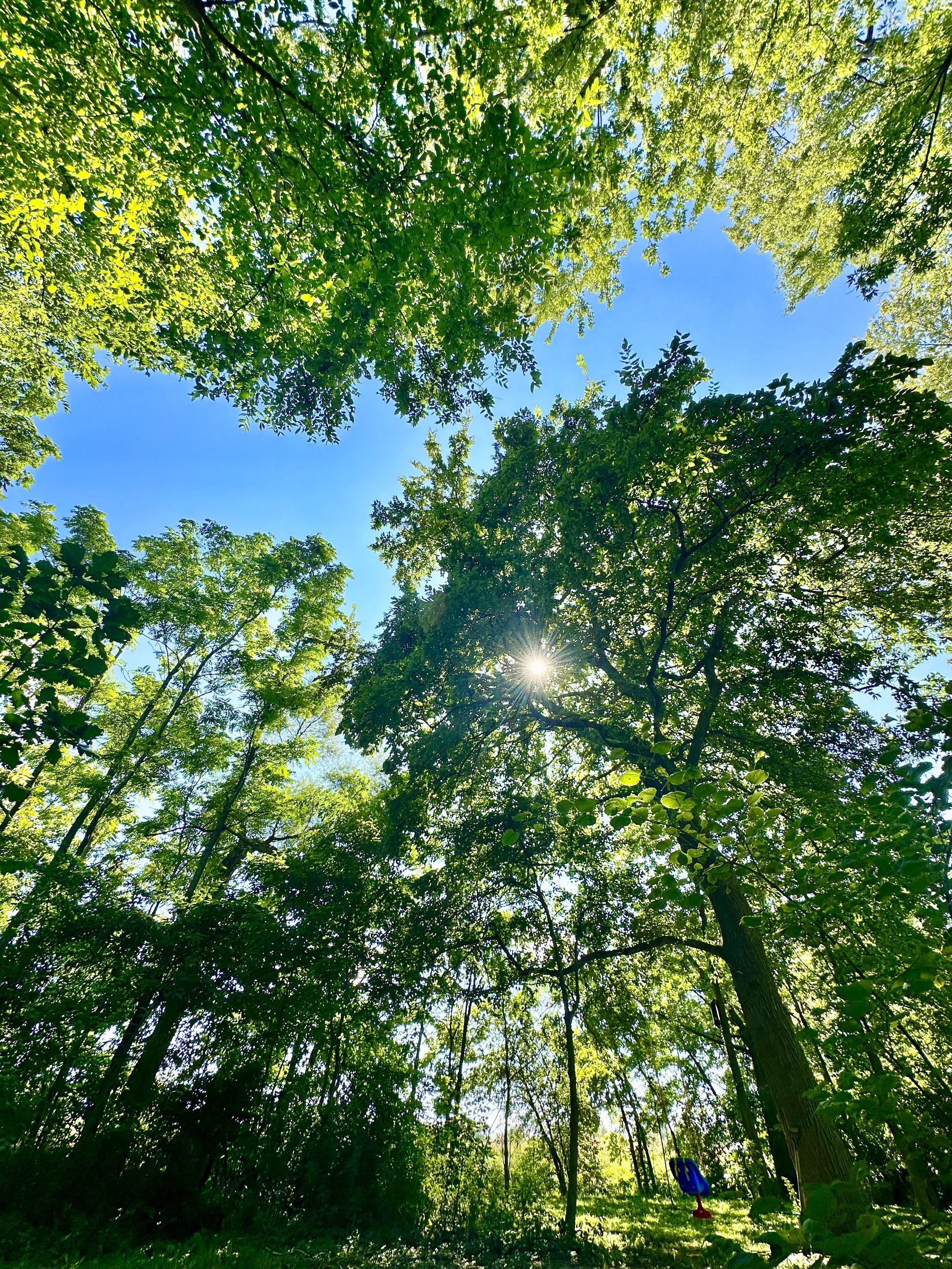
Urban Forestry can be leveraged to serve local citizens by providing countless rewarding, lasting benefits. Trees require little attention and minimal care, yet they continuously deliver a positive impact wherever they are found. Through strategically placed trees, we can make a big, positive impact today, tomorrow, and for generations to come.
Wide-Ranging Health Benefits
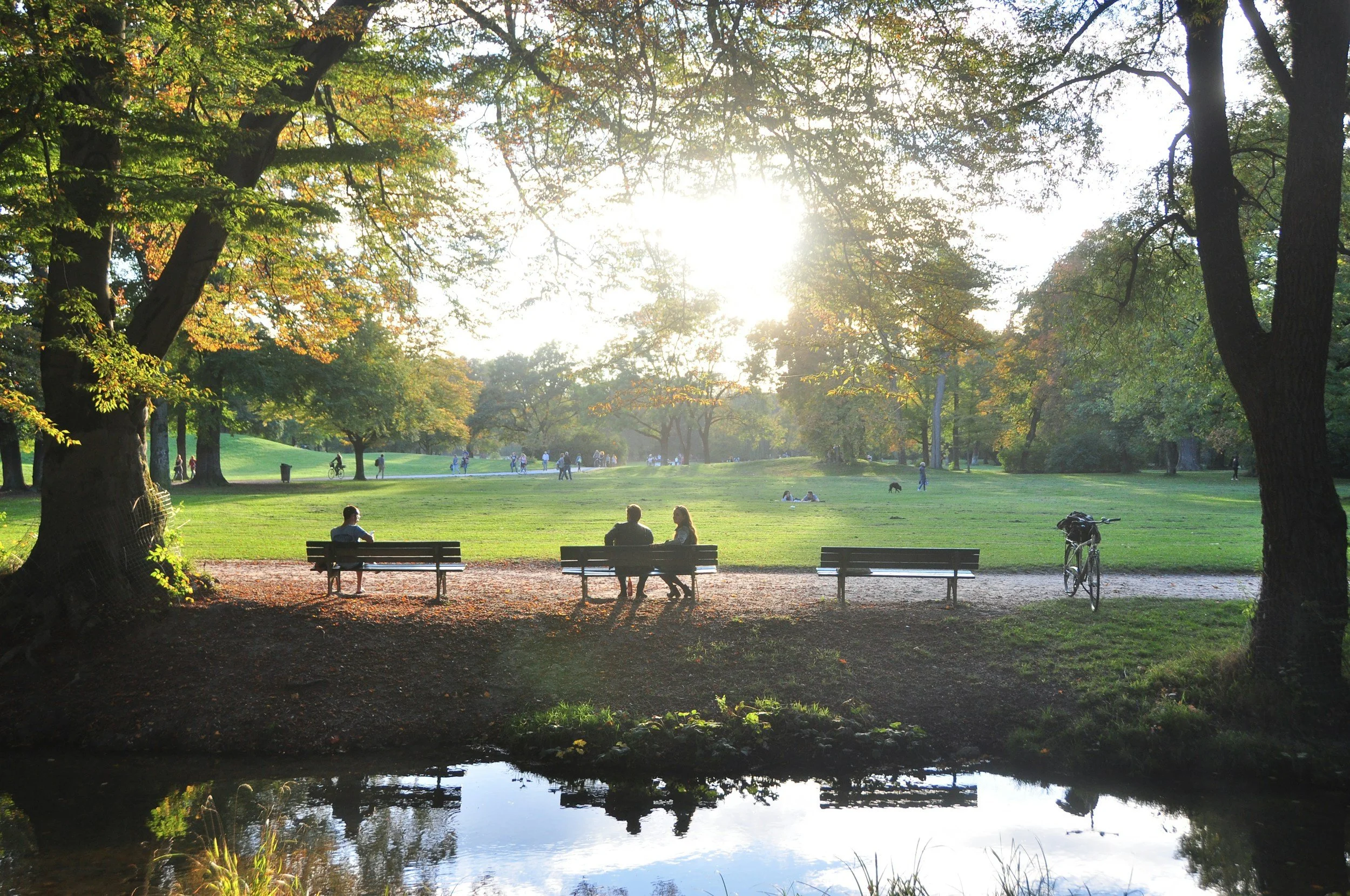
From quicker hospital recovery to reductions in blood pressure, longer life in the elderly, reductions in undersized newborns, and improvement in mental health, trees provide health benefits to the old and the new and in almost every setting.
Studies show total hospital admission times are ~10% less in patients with a view vs no view of trees
Another study found that for every 33% increase in city tree canopy there are 3 fewer undersized newborns for every 1,000 births
A Dutch study found that just 10% more green space in living surroundings for the elderly can correlate to returning an additional 5 years of life
Numerous studies have proven that exercising in a forest or even simply looking at trees reduces blood pressure as well as the stress hormones cortisol and adrenaline
Mental health for working individuals and in the general population has been shown to be improved by providing green spaces to relax, exercise, and engage in fun social functions. The act of planting trees, or digging in the dirt, exposes you to a specific microbe that augments the brain’s production of serotonin which improves mood
Exposure to trees and the forest improves immune system function through breathing in airborne chemicals called phytoncides. Plants/trees release these phytoncides to protect themselves from insects and disease. These phytoncides have antibacterial and antifungal properties but also augment the number and activity of a certain white blood cell responsible for killing tumor- and virus-infection cells in our body
Return On Investment
Multiple sources and tools reveal the increasing financial benefit of trees. Trees impact multiple areas to not only decrease costs but improve the value of the local environment/municipality:
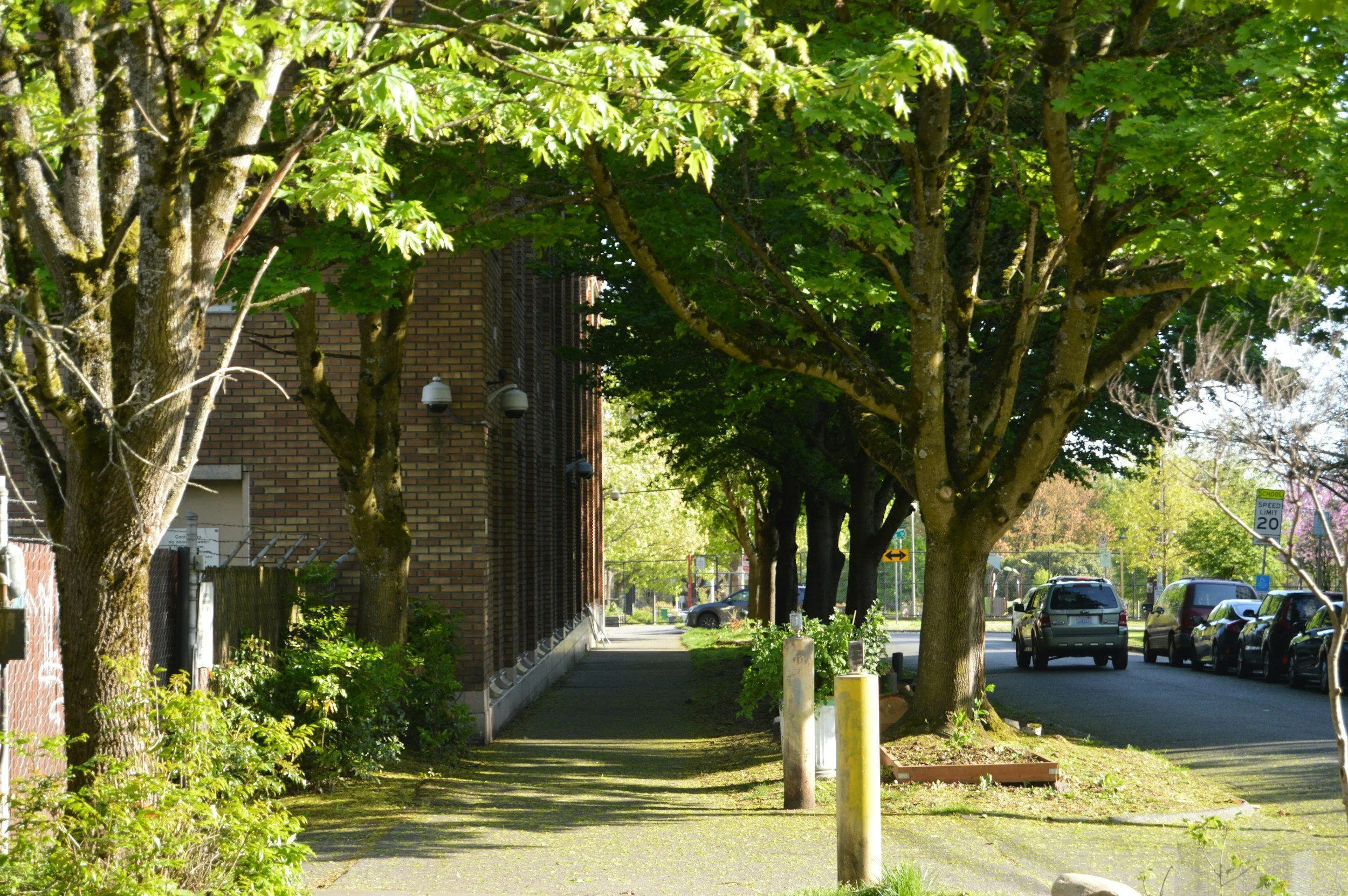
Trees planted around homes, along streets, and in neighborhoods drastically increase home property values by up to 20%- in Portland, Oregon street trees in front or near a home added an average $8,870 to sale price
Rain water interception and groundwater uptake from tree leaves and roots decreases runoff and waste water burden decreasing water treatment and utility costs
Strategically placed trees (“right tree, right place”) can significantly reduce costs of heating and cooling easing monthly bills for homeowners AND the burden on the electrical grid; one well-placed tree can reduce air conditioning costs alone by 50%
Tree uptake of CO2 and pollutants in the ground and air reduce not only the immediate cost of remedying pollution but also the long-term healthcare costs from exposure
Streets lined with shade trees can protect asphalt surfaces reducing repaving costs by as much as 58% over a 30-year period
Trees near businesses promote higher returns with customers perceiving merchants in a more positive light staying longer in stores, visiting more frequently, and being willing to pay as much as 12% more for goods each time they frequent the business
Protection and Security
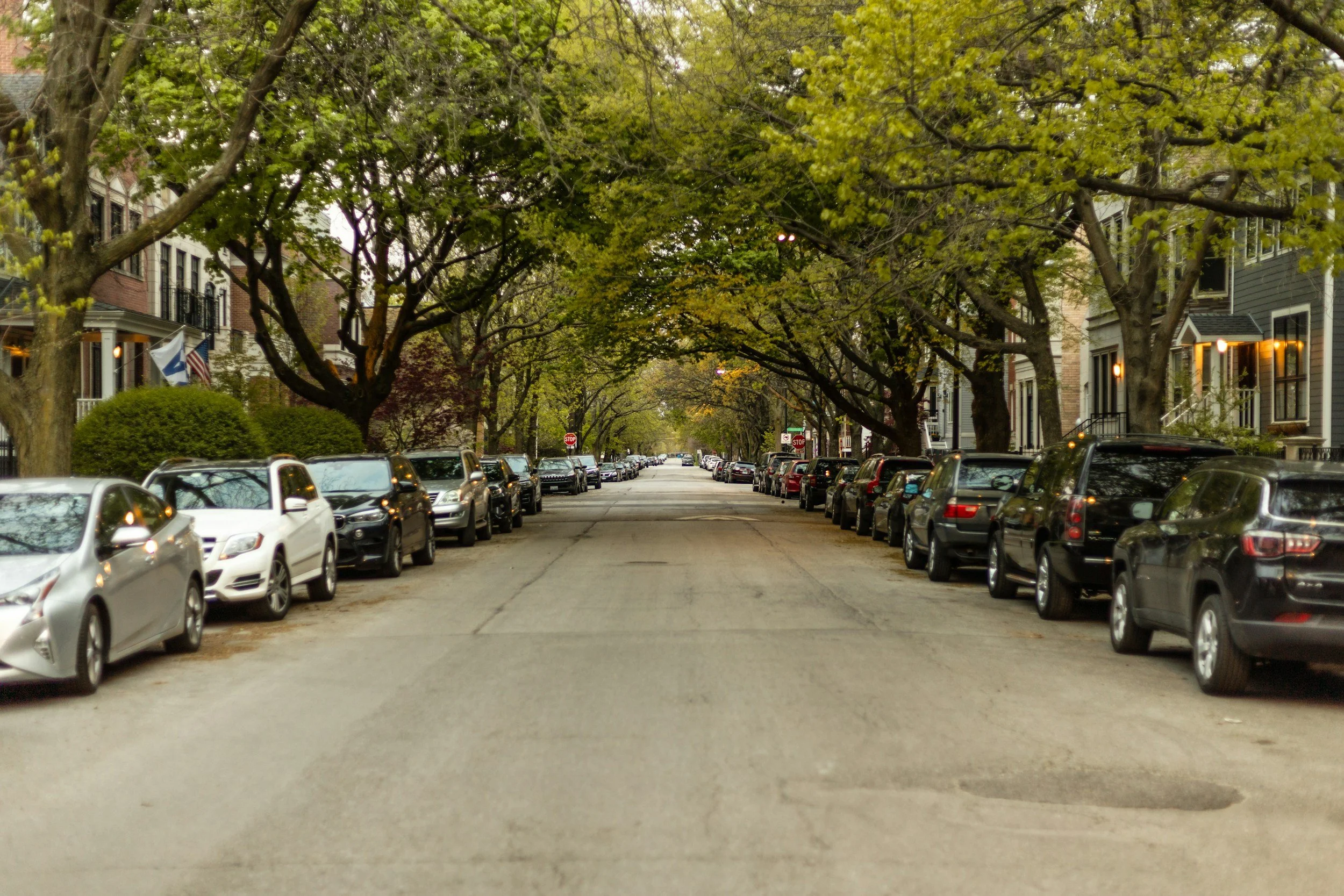
Adding shade trees along the street and in neighborhoods can lower local crime rates, slow vehicle traffic, and reduce noise and distraction.
Neighborhoods greener with trees have less crime and violence in and out of the home compared to their more tree-barren counterparts
Greater tree canopy, regardless of socioeconomic factors, lowers crime rates and improves perceived safety in public areas fostering safer neighborhoods.
A healthy tree canopy with shade trees significantly lowers urban heat from structures and asphalt. Parking lot temperatures can be reduced by as much as 36 degreed on hot days which also decreases ambient air temperature above and around the asphalt.
Tree canopies reflect 70-90% of sun rays reducing harmful UV-B rays on school playgrounds and public areas protecting citizens and children spending hours outside
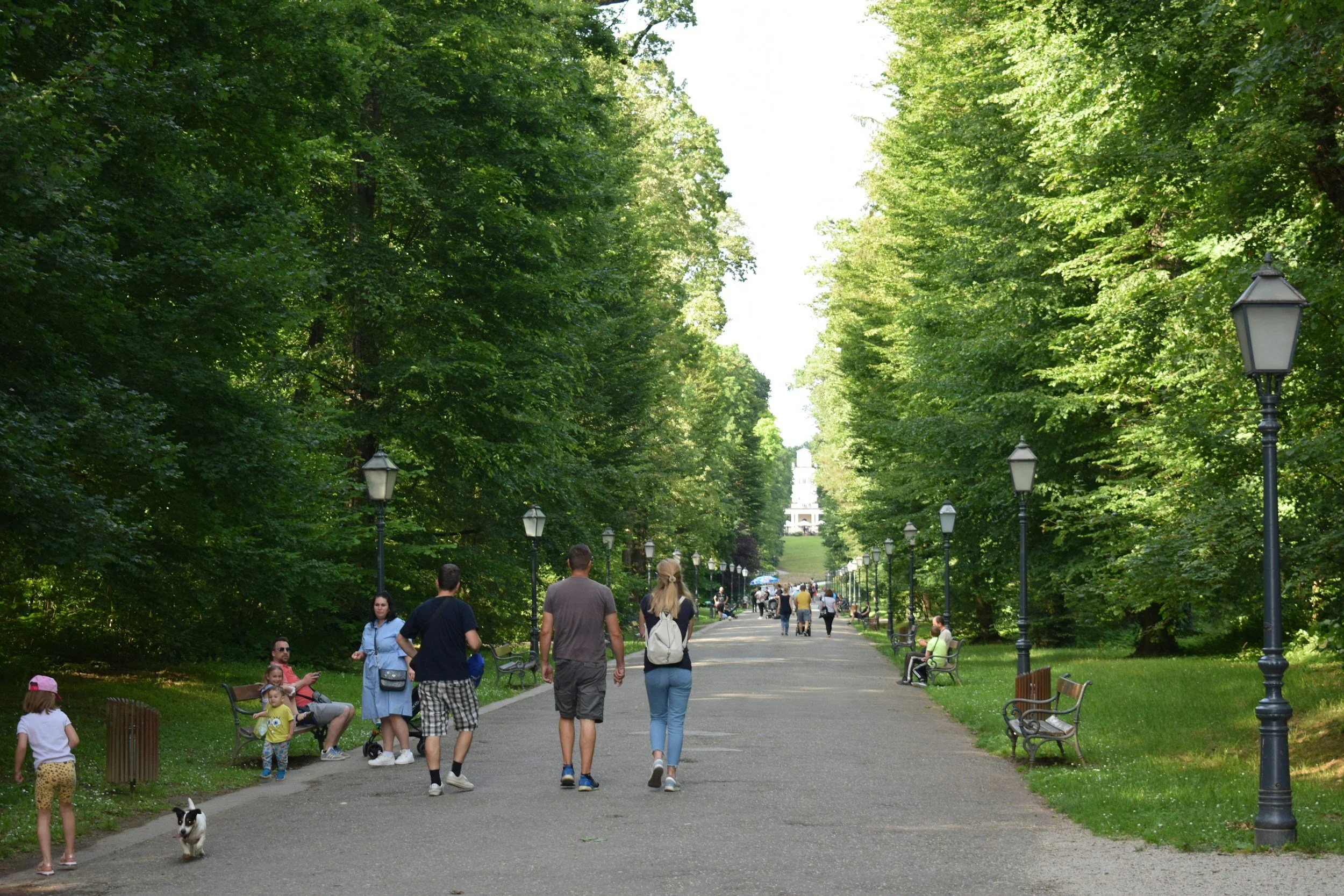
Trees can also serve as a nature, pleasant, and cost-effective means to protect against and reverse the effects of climate change.
Trees are a natural carbon sink filtering CO2 from the air, releasing fresh Oxygen (O2) for us to breathe, and storing Carbon in the wood of their trunks and branches
Over the course of 1 year, 1 acre of mature trees absorbs the same amount of carbon released from a car driven 26 THOUSAND miles. It would only take 25,000 miles to circumnavigate the earth
Other means to offset climate change depreciate and wear out over time; however, trees appreciate in value over time and have ever-increasing benefit: absorbing more CO2 and delivering stronger protection against floods, drought, and heat as they age